Most people walk into markets the same way they wander into an Atlantic City casino at 2 AM: flickering lights, stale Marlboro smoke, and the false hope that this table will finally pay. The cold, dry air keeps them awake, wired, and teetering on the edge of their next dopamine hit.
They hop from blackjack to slots to a $5/$10 No-Limit Hold’em seat, convinced they’re “due,” only to end up at the ATM before the cocktail waitress circles back with another Kamikaze loaded with cheap vodka.
In markets, just like in the casino, the sharks don’t care if you’re green. They’ll gut you before you even understand the rules of the game.
If the chart goes up, everyone thinks they’re a genius. If it goes down, they think the market is rigged. But once you strip away the noise, markets aren’t random at all. They react to a very small set of real forces. And if you understand those forces, you stop gambling and you start stacking the probabilities in your favor.
You don’t need better predictions, sketchy Telegram signals, or copy-trading some influencer… you need a better process.
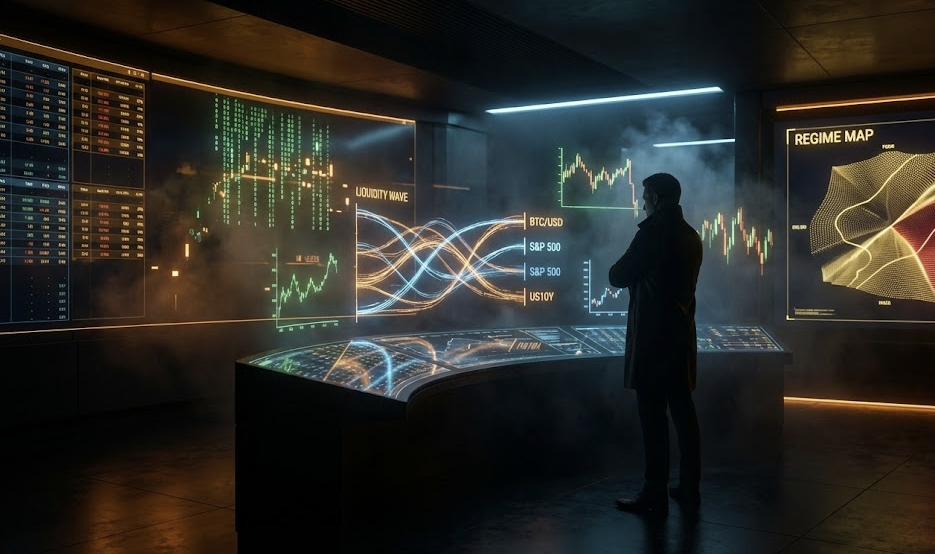
Run Your Portfolio like a Research Lab
After years of making those very same mistakes I’ve come to realize that you can’t just rent someone else’s conviction. It’s one of the reasons I started this Substack in public with nowhere to hide. Publicly building out my own systems & indicators has kept me accountable & grounded, welcoming any and all feedback. Part of this is also to prove that you don’t need to have spent 20+ years at Salomon Brothers to run your own successful system.
You have to treat investing like running a small research lab. Every idea starts as a hypothesis.
I test the hypothesis, collect real data, refine the logic, and only then build it into a repeatable system if it holds up. Entries, exits, stops, position sizing, macro overlays.. none of that happens by accident or without structure. It happens because the system said so.
I’m not an active day trader, so I don’t obsess over tick-by-tick entries and exits. I do what I’m good at: catching regime shifts, figuring out the trend, and building portfolios around that.
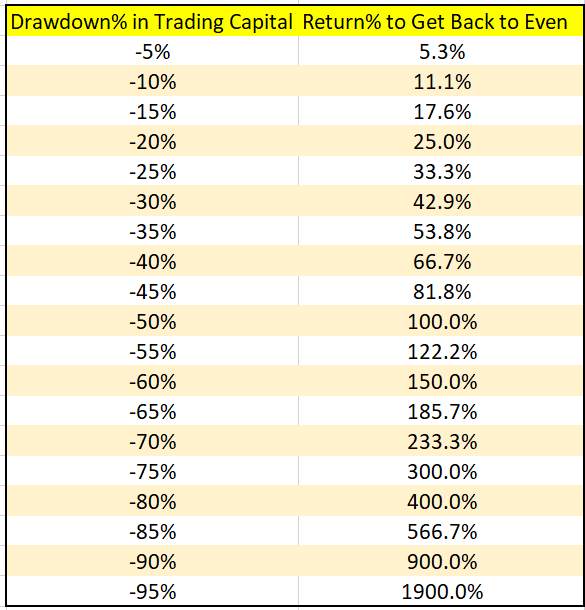
If the system breaks, I rebuild it. What doesn’t happen is guessing. Guessing is how accounts go to $0. Avoiding catastrophic drawdowns is one of my core mantras.
The Big Three Cut Through All the Noise
Over time, I’ve found that almost everything in markets boils down to three dominant forces:
Liquidity.
Growth.
Inflation.
Together, they define the regime you’re actually trading.
Not 30 indicators. Not 100 different moving averages. Not whatever financial astrology (moon phases anyone?) is trending on TikTok this week. Just three variables that shape every regime.
When growth is accelerating and inflation is cooling, risk assets tend to thrive. When inflation is rising, assets sensitive to price-level changes - i.e., commodities and hard assets - tend to outperform. When liquidity expands, anything with volatility and reflexivity (Bitcoin) tends to catch a bid simply because the system is suddenly more flush with cash.
You can complicate the model, but you won’t improve it.
There are nuances I layer into the system such as the ISM (business cycle), rates (easing/tightening), FX pairs (capital flows); but in simplest terms, everything still boils down to those three.
The point isn’t to predict the future… it’s to identify, with the highest probability, the environment we’re in right now. Markets price environments, not headlines. Which is exactly why most investors get wrecked. They react to stories, narratives, and tweets. There’s a reason Jim Cramer built such a following with his show Mad Money.

Meanwhile, the assets they’re trading are quietly responding to whether liquidity is rising or falling, whether growth is accelerating or slowing, whether inflation is sticky or collapsing.
In other words: regimes matter more than news.
Self Reflection on Individual Goals
Even if you understand regimes, it doesn’t mean your portfolio magically aligns with your life. This is the part most investors skip entirely: your financial goals are your real portfolio constraints.
You have future liabilities… rent/mortgage, kids, retirement, emergencies, opportunities. Your portfolio isn’t just a bet on markets. It’s a blueprint for how you want your future to look. It should be a safety net first & a growth vehicle second (depending on your risk tolerance and the stage of life you’re in).
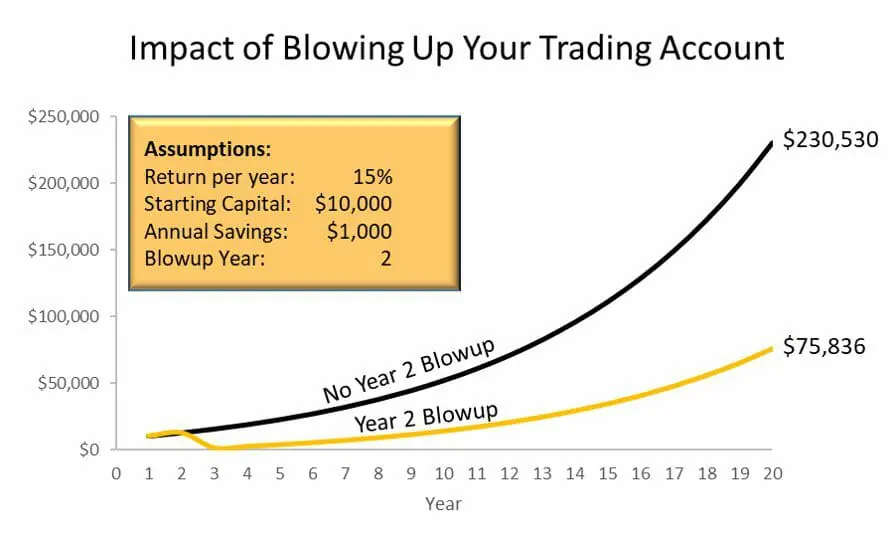
Too many people build portfolios for the fantasy version of their life instead of the real one. They go 100% risk-on because some donkey on X told them to “just zoom out,” then panic when a 30% drawdown collides with a real-world obligation. Good portfolios aren’t about maximizing returns… they’re about making sure you don’t blow up before compounding can do its job.
I think of portfolio construction as two layers.
Layer 1 is the durable foundation.
This is the part that survives across multiple economic regimes. It’s built for flexibility, liquidity, and stability. Cash, bonds, gold, and depending on the macro backdrop Bitcoin. This layer is designed to protect you, not excite you. It keeps you alive long enough to play the game.
For me personally, because of my research and fundamental beliefs in Bitcoin as a long-term store of value and debasement hedge, I’ll always maintain a spot bag in cold storage for the long haul. For others it might be gold or long-end Bonds.
Layer 2 is the opportunistic engine.
This is where you run strategies, not hope. Your trend-following systems, breakout setups, macro bets, altcoin explorations, lower-cap gambles, options structures… whatever edge you’ve built and tested. This is where the upside comes from. But this layer only works if it sits on top of something stable.
Stability first. Leverage second.
Every blown-up trader learns this in reverse.
The final truth is this: markets evolve.
Edges decay. Models die.
There is no holy grail, no perfect indicator, no everlasting formula. The real edge isn’t a signal.. it’s adaptability. Most investors try to find the one strategy that works forever.
Professionals focus on staying flexible, staying observant, and staying alive.

That’s why your trading system should feel like a living thing. You test, you adapt, you refine. When data contradicts your assumptions, you update the model instead of defending your ego.
When the regime shifts, you don’t cling to last cycle’s winners.. you stay disciplined, emotionless & rotate. When volatility expands, you tighten risk. When liquidity floods the system, you lean in.
Survival is the skill. Compounding is the reward.
Tourists chase trades.
Builders create systems.
Systems survive cycles.
Want the live dashboards behind these insights?
Subscribe on Substack Free subscribers get research updates. Paid subscribers get live macro tools + signal alerts.